Start a Shared Reading Night That Is Not Homework
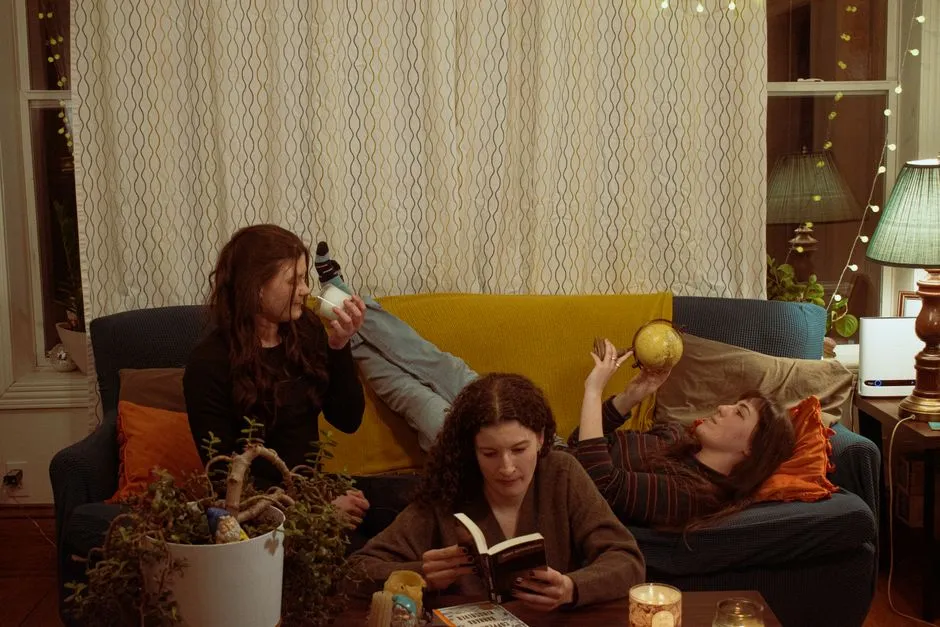
Define the smallest version that sounds pleasant
A shared reading night is a gathering where people bring their own books, read quietly for a set period, and talk only as much as the group wants. It needs no assigned title, quiz, or public proof that anyone reached page 73. Start with 60 to 90 minutes and two to six people in a comfortable, accessible place.
The everyday rituals section favors a setup light enough to repeat.
This is not the only model. A group can read aloud, discuss one essay, exchange poems, or follow a traditional book-club format. Name the version clearly so nobody arrives prepared to debate symbolism and discovers eight silent friends wearing socks.
Send an invitation with the actual shape
Include the start and end time, location, access details, whether guests bring any book, the length of quiet reading, food plans, cost if any, and whether conversation is optional. For example:
Bring anything you want to read. We’ll settle in at 7:00, read quietly from 7:15 to 8:00, then have tea and optional book talk until 8:30. No preparation or finishing target.
Ask about seating, lighting, allergies, sensory needs, transport, and other access requirements privately. Let people bring an e-reader, audiobook with headphones, large-print text, screen reader, or another format. A reading night is about attention to language and ideas, not loyalty to objects made of paper.
Make the room support several bodies
Offer chairs with different levels of support when possible, plus clear paths, enough light, a place for drinks away from books and electronics, and a reasonable temperature. Tell guests if the home has stairs, pets, fragrances, or other relevant conditions.
Keep background music off during the quiet period unless everyone agrees it helps. Provide spare bookmarks, water, and a charging point only if safely located. Decorative candles are less important than readable pages and a fire-safe room, a truth that has disappointed many mood boards.
Use a simple three-part schedule
For a 75-minute gathering:
- 10 minutes to arrive and settle;
- 45 minutes of quiet reading;
- 20 minutes for optional conversation and closing.
The arithmetic is 10 + 45 + 20 = 75 minutes. Add a longer social period only when the invitation says so. End on time, especially when guests have caregiving, transport, energy, or medication schedules.
At the transition into reading, say when the quiet period ends and show a visible clock. Let guests step out, change seats, or leave early without explanation.
Keep book talk optional and specific
After reading, invite each person to share a line, idea, surprise, or simply the book's title. Passing is a complete answer. Do not demand a review from someone who spent the period rereading one difficult paragraph or listening privately.
Useful prompts include: “What kept your attention?” “Did the setting affect the reading?” and “Would you continue this book?” Avoid turning taste into rank. Someone else's romance novel does not need to defend its dissertation while a literary paperback watches smugly from the sofa.
The phone-free dinner guide offers language for voluntary device boundaries; thoughtful hosting covers invitations and guest agency.
Decide what repeats
Before everyone leaves, ask whether another date is wanted, how long the quiet period should be, and whether hosting rotates. Keep the decision small: one next date, one location, one message thread. Do not build bylaws for a gathering that has met once.
Protect privacy. Ask before photographing books, people, annotations, or homes, and before posting attendance or reading choices. Do not assume a title reveals nothing personal.
If the night does not repeat, it still worked as one evening. A ritual earns a place through usefulness and pleasure, not because the calendar has been informed of its ambitions.